Kate Hills Visits SIL Holdings Ltd as Part of The Make it British Mission to Champion UK Manufacturing
Last month, we were pleased to welcome Kate Hills, founder of Make it British, to Bradford as part of her ongoing mission to visit 100 UK manufacturers.
Her visit offered an opportunity to showcase two very different but closely connected areas of textile manufacturing within SIL Holdings. Beginning at Ladywell Mills with Seal International, before continuing to Stanley Mills Weavers, home to Luxury Fabrics; William Halstead, John Foster, Kynoch of Scotland, and Joshua Ellis, the day highlighted the breadth of expertise involved in British textile production — from raw fibre preparation through to the weaving of premium cloth.
Beginning at the Start of the Supply Chain
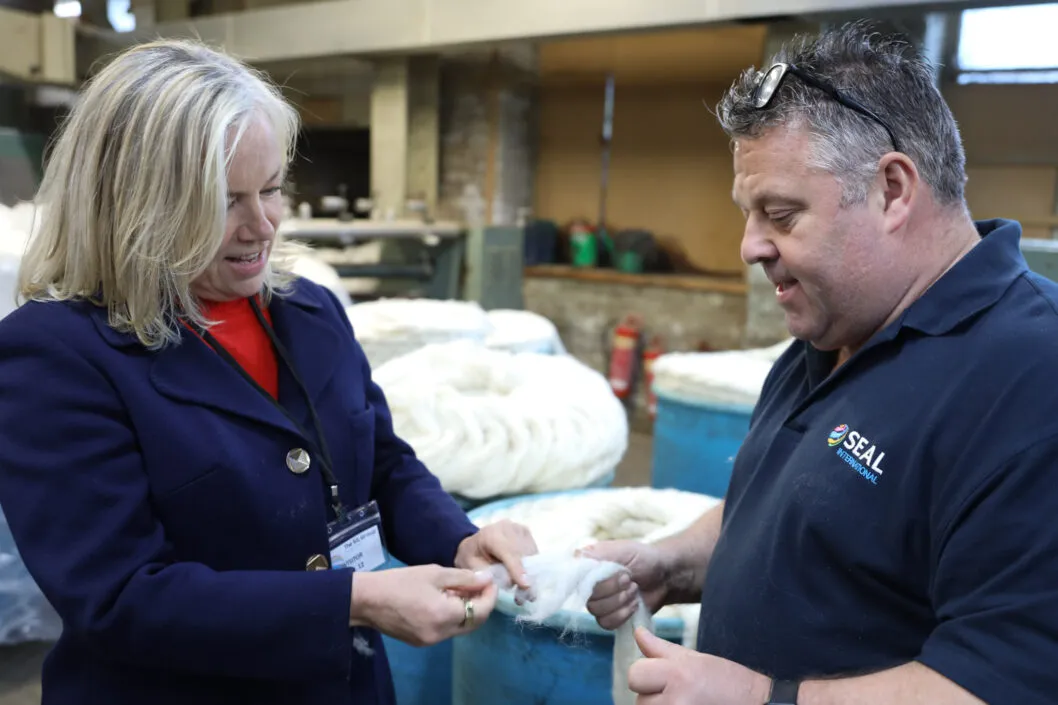
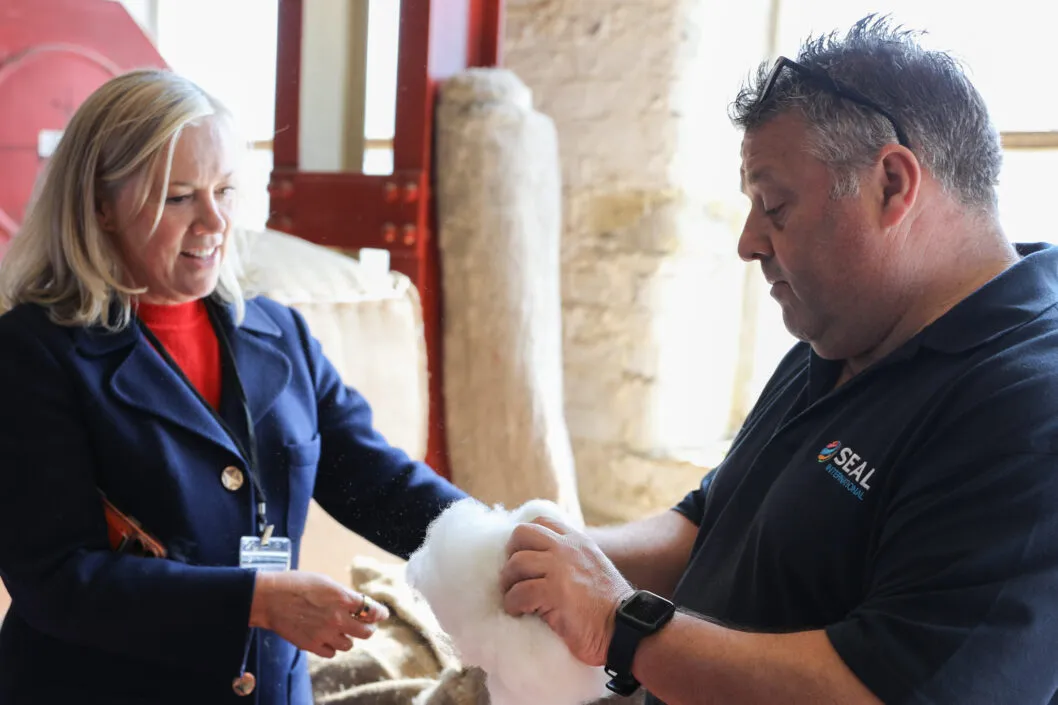
The first part of the visit took place at Ladywell Mills, home to Seal International, where Kate was given an insight into one of the most specialist and often unseen areas of textile manufacturing.
With deep roots in the British textile industry, Seal International plays a crucial role at the very beginning of the manufacturing process, transforming raw fibres into high-quality materials ready for spinning and production.
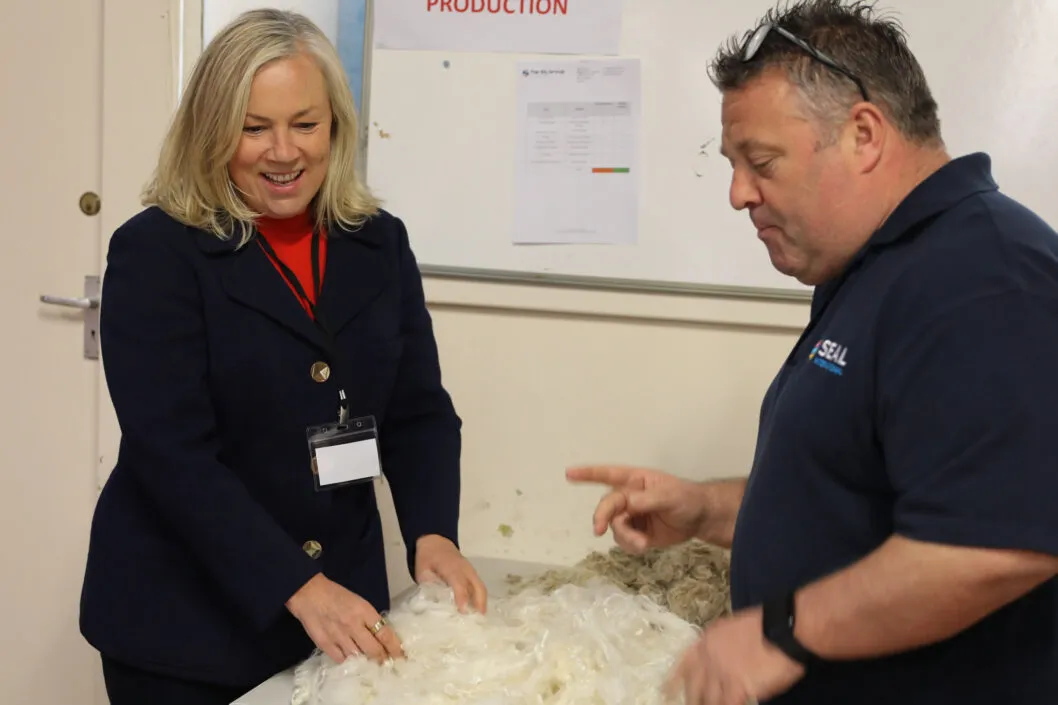
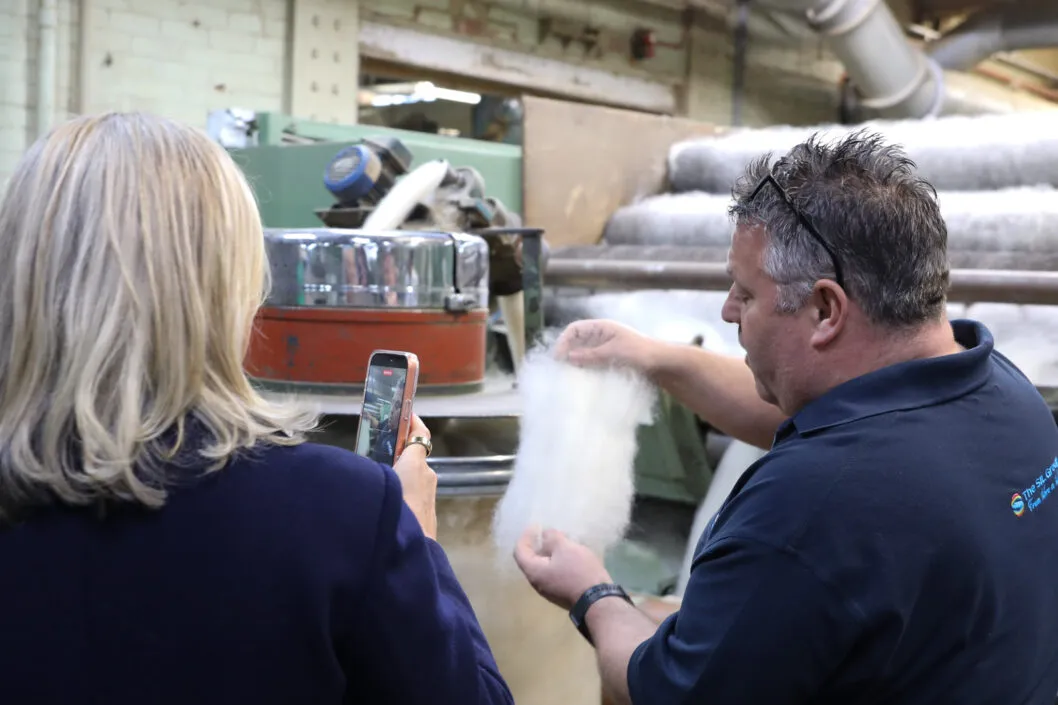
During the tour, Kate explored the technical expertise involved in processing a wide range of fibres, from cashmere, mohair, and alpaca through to rarer fibres including vicuña, sable, and mink. The visit followed the journey of fibre through sorting, grading, blending, fibre opening, and preparation into combed tops and sliver, highlighting the precision required at every stage.
Although much of this work happens long before fabric reaches the loom, these early processes have a significant influence on the final quality, consistency, and performance of the cloth. Fibre selection, handling, and preparation all require a high level of technical understanding, with decades of specialist knowledge informing each stage of production.
The visit also provided an opportunity to discuss the increasing importance of fibre provenance and traceability within modern textile manufacturing. By working closely with growers, merchants, and manufacturing partners, Seal International helps maintain a transparent and reliable supply chain while continuing to preserve specialist fibre processing expertise within the UK textile industry.
Visiting Stanley Mills
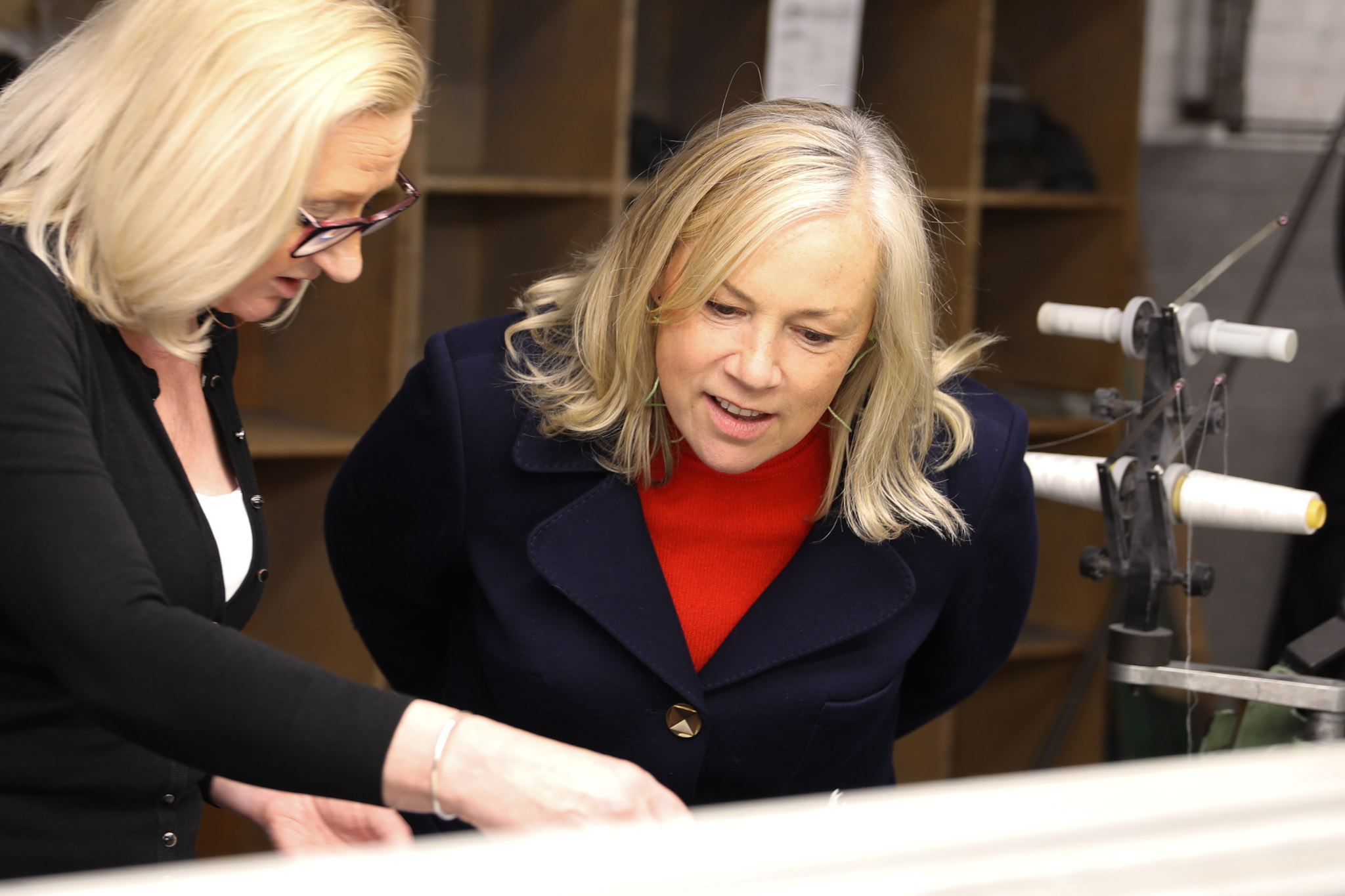
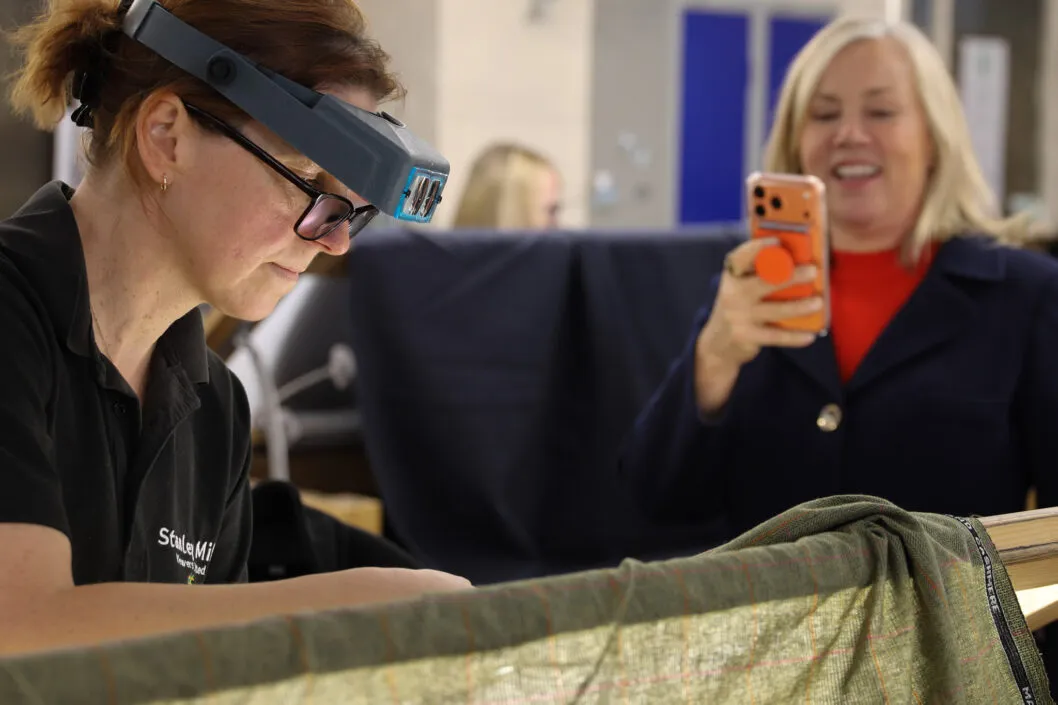
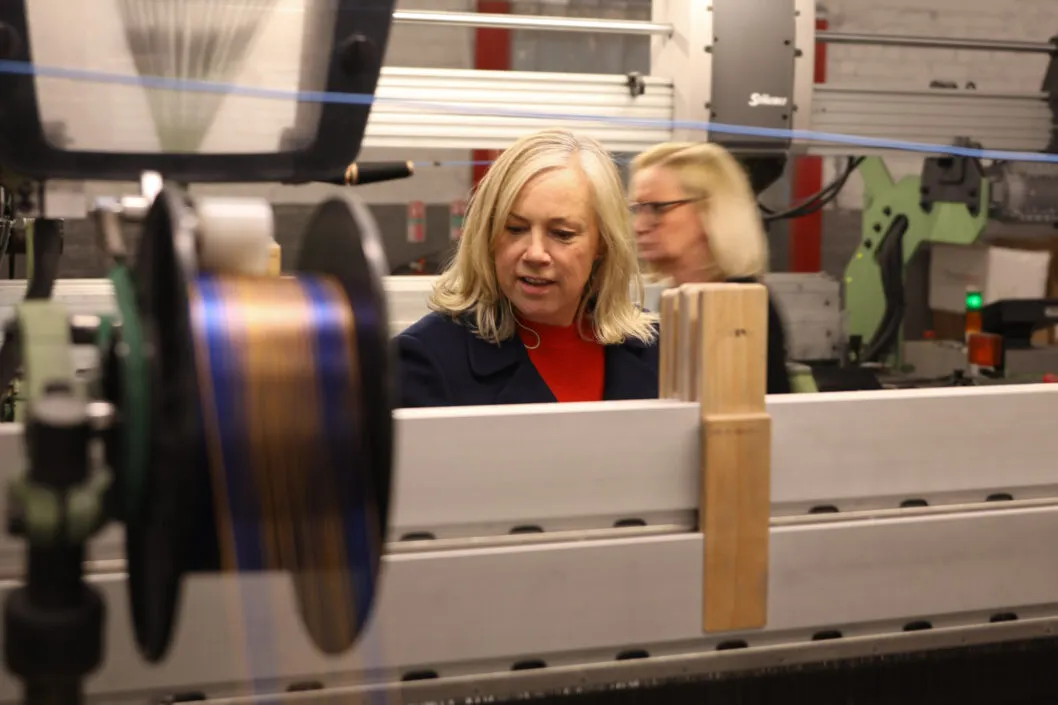
The second part of the visit took place at Stanley Mills, where Kate toured the Luxury Fabrics businesses and gained an insight into the weaving expertise that continues to define British cloth manufacturing today.
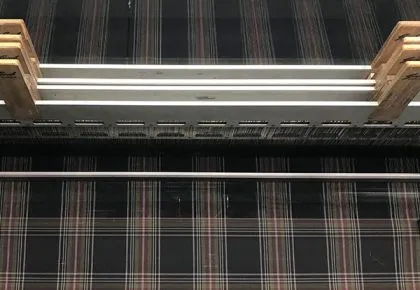
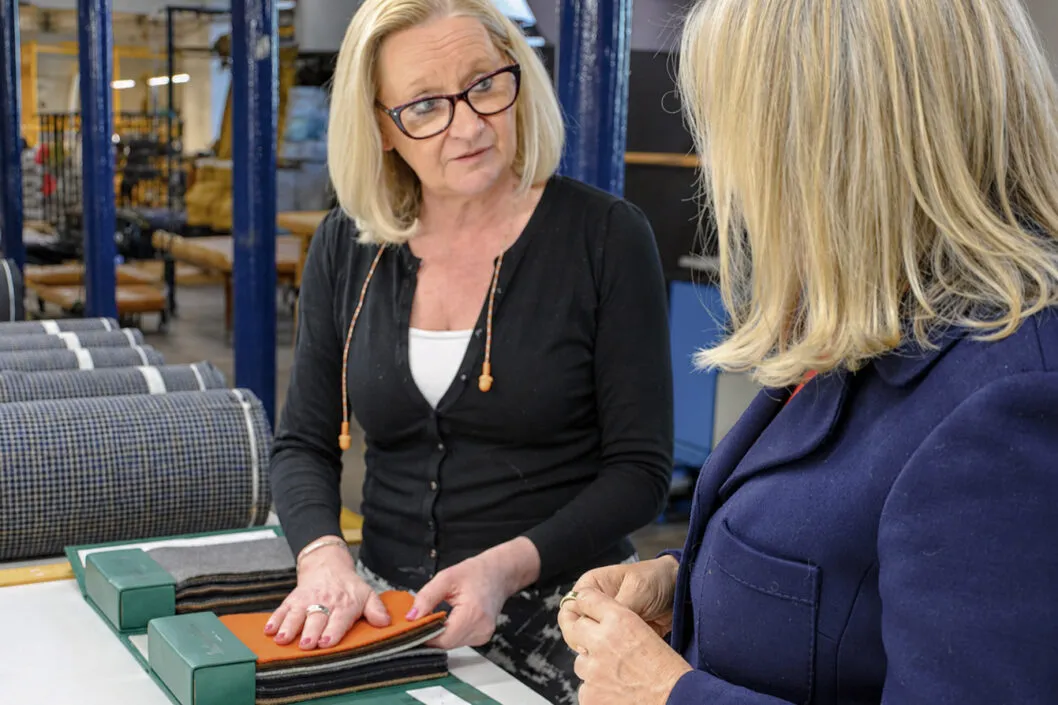
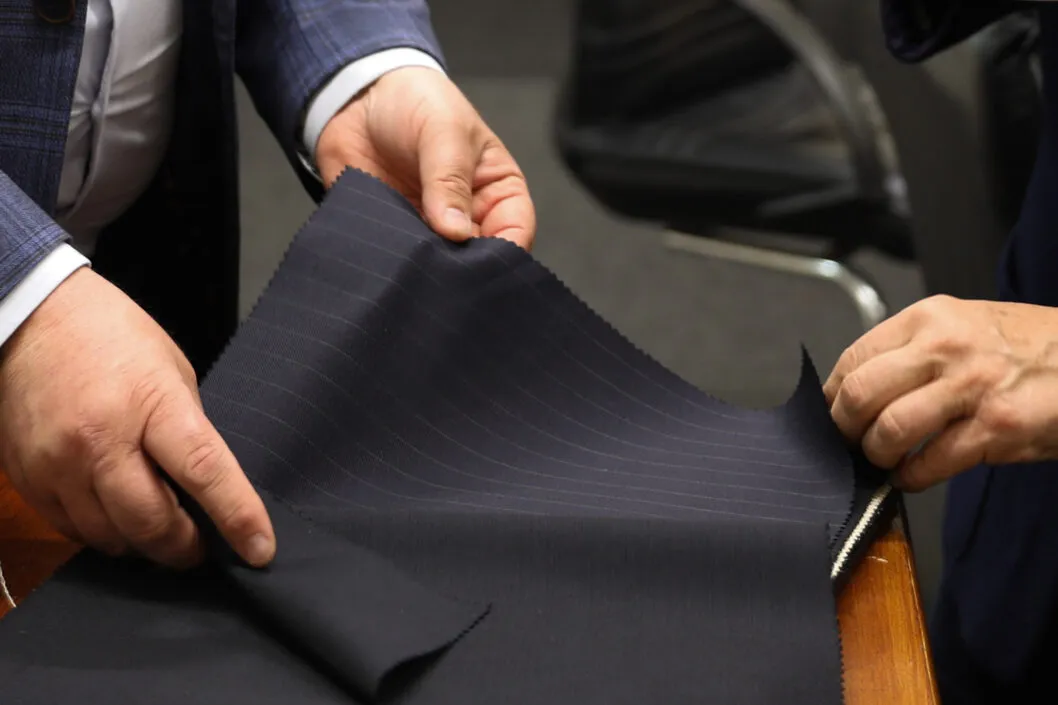
Based in Bradford, Stanley Mills is home to businesses producing premium woollen and worsted fabrics for an international market, supplying tailors, merchants, and fashion houses around the world. Throughout the tour, Kate was able to see how traditional weaving knowledge continues to work alongside modern manufacturing processes, maintaining the quality and performance expected of British-made cloth.
The visit explored the various stages involved in cloth production, from yarn preparation through to weaving. Attention was also given to the role of archives within contemporary fabric development, demonstrating how historic designs and constructions continue to inform modern collections while supporting ongoing innovation.
Across both sites, a consistent theme emerged: the importance of maintaining manufacturing capability, specialist skills, and technical knowledge within Britain’s textile industry.
Supporting British Manufacturing
Kate’s initiative to visit 100 UK manufacturers continues to shine an important spotlight on businesses committed to producing within the UK. Her visit provided an opportunity not only to share the work carried out across SIL Holdings, but also to highlight the level of expertise, craftsmanship, and manufacturing knowledge that continues to exist within British textiles today.
From fibre preparation through to finished cloth, the visit demonstrated the interconnected nature of textile manufacturing and the importance of every stage within the process.
We would like to thank Kate for taking the time to visit both sites and for her continued support of British manufacturing.